thechannelrace.org emerging sports lists new coastal events that can grow in 2026. The site highlights trends, athletes, and formats that matter for coastal towns. The reader sees which sports attract athletes, fans, and sponsors. The article sets clear notes on equipment, safety, training, and local impact. It helps event organizers and community leaders plan for growth.
Key Takeaways
- Thechannelrace.org emerging sports highlights coastal activities that drive tourism, athlete engagement, and local economic growth for 2026 events.
- Standup paddleboard racing and foiling are growing rapidly, with organizers recommended to provide safety boats and clear race zones to enhance participant and fan experience.
- Wing foiling requires focused training and certified safety teams to reduce injuries and maintain event schedules.
- Electric watercraft and e-surf racing promote sustainable coastal events by limiting noise and emissions, with organizers needing to plan for battery charging and adhere to strict safety rules.
- Advances in SUP foil equipment improve performance and fairness through standardized classes and lightweight, efficient designs.
- Short heats and stadium-style race formats boost spectator appeal and broadcast potential, while community involvement and environmental considerations ensure responsible event planning.
Why Emerging Sports Matter For Coastal Events And Communities
Coastal towns need events that bring visitors and funds. thechannelrace.org emerging sports shows which activities draw repeat audiences. Event planners can add races or demos to boost local business. Athletes seek places that offer clear race lines and safety support. Sponsors look for compact TV-friendly formats and strong social reach. Local leaders can use small events to test infrastructure and measure environmental impact. Fans get new weekend options that fit coastal life. The site gives data, case examples, and quick steps for pilot events.
Standup Paddleboard Racing And Foiling: Growth, Athletes, And Formats
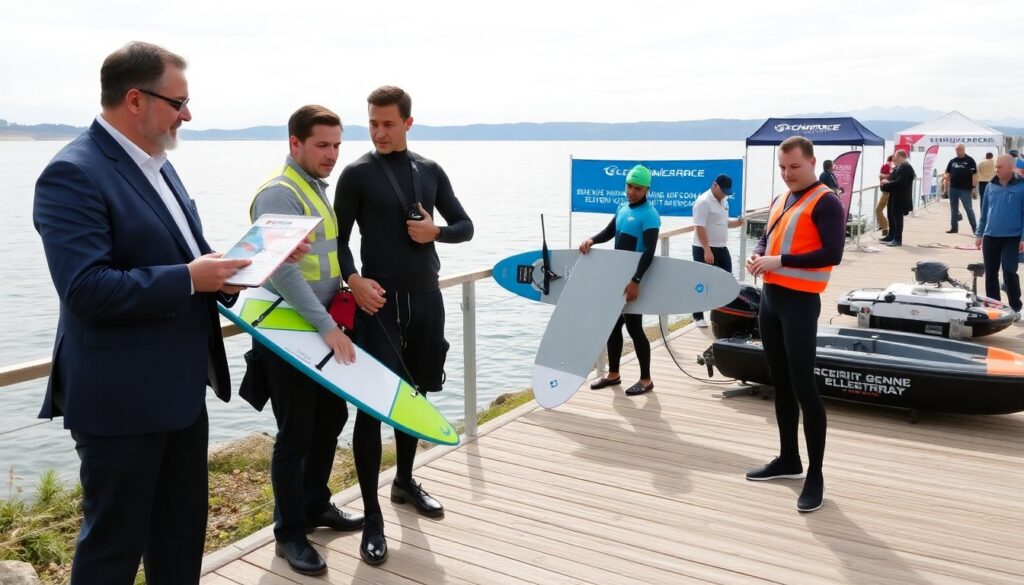
Standup paddleboard racing shows steady growth near beaches and estuaries. thechannelrace.org emerging sports covers elite racers and grassroots paddlers. Athletes shift to lighter boards and hybrid foils to gain speed. Event directors add short-course sprints and long-distance relays to widen appeal. Race teams train on flat water and wind chop to prepare for mixed conditions. Fans like tight finishes and easy sight lines from shore. Media can package heats into short clips that work on social platforms. Organizers should plan safety boats and clear finish zones for all formats.
Wing Foiling And Hydrofoil Surfing: Technique, Safety, And Training
Wing foiling gains riders from kitesurfing and windsurfing. thechannelrace.org emerging sports explains core moves and common risks. Riders learn weight shifts and wing handling on land before water practice. Coaches favor stepwise drills and short tethered sessions for new riders. Safety teams stage rescue drills and set clear no-go zones near swimmers. Training plans focus on balance, board control, and quick release in crowded conditions. Event staff require certified rescue personnel and a clear incident plan. Proper training reduces injuries and keeps events on schedule.
Electric Watercraft And E‑Surf Racing: Tech, Sustainability, And Rules
E-watercraft bring fast, quiet races to coastal venues. thechannelrace.org emerging sports covers battery tech, motor power, and range. Manufacturers push lighter packs and safer charging systems. Races limit battery size and enforce kill switches for safety. Events promote electric craft to cut noise and fuel emissions near sensitive habitats. Officials work with ports and regulators to approve race routes and charging hubs. Spectators enjoy close courses and lower sound levels. Organizers must add charging plans and spares to avoid delays during race days.
Equipment Advances Driving SUP Foil Performance
Designers cut weight and increase stiffness in new foils and boards. thechannelrace.org emerging sports tracks foil shapes that lift earlier and glide cleaner. Materials such as carbon fiber reduce drag and keep strength. Paddle designs change to offer high-aspect blades for sprint power. Riders choose modular setups that fit both flat-water and chop. Manufacturers test in tow tanks and field trials to set new standards. Event rules must allow common classes so athletes can race on similar gear. Clear class rules keep competition fair and help fans follow results.
Competition Formats, Spectator Appeal, And Broadcast Potential
Short heats and stadium-style laps suit shore crowds and livestreams. thechannelrace.org emerging sports recommends 10–20 minute heats to keep drama high. Organizers can mix sprint heats with point-based finals to create storylines. Drone and on-water camera angles make action easy to follow on screens. Commentary should explain simple rules so new fans stay engaged. Fan zones with gear demos add local sales and sponsor value. Broadcasters can splice highlights and split-screen leaderboards to keep viewers tuned in between heats.
Regulatory, Environmental, And Community Considerations For E‑Watercraft
Authorities must set safety and noise limits for electric races. thechannelrace.org emerging sports urges clear permits and public notices before events. Organizers should map marine habitats and avoid sensitive areas during breeding seasons. Recycling plans for batteries and waste cut environmental risk. Community meetings help organizers explain safety zones and traffic plans. Local businesses can offer shuttle services and charging stations to support events. Early coordination with regulators shortens approval time and keeps the event aligned with local needs.