
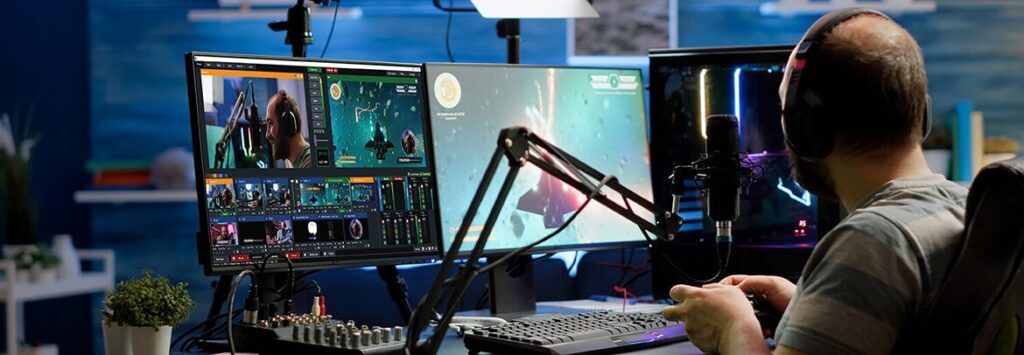
Live gaming and esports streams have become one of the most influential forms of interactive media in the digital era, fundamentally changing how audiences experience online content. What initially emerged as simple gameplay broadcasts has transformed into complex digital ecosystems where entertainment, communication, and community coexist in real time. Viewers are no longer passive observers; they actively interact with streamers, influence content flow, and engage with each other simultaneously. Platforms such as Twitch and YouTube Gaming have played a central role in this evolution by merging live interaction, community building, and instant feedback mechanisms into a single experience.
This transformation has reshaped audience expectations across the broader digital landscape. Modern users increasingly expect content to be interactive, responsive, and socially connected. Traditional media formats struggle to replicate this level of involvement, making live gaming and esports streams a benchmark for interactive media strategies. As a result, these formats now occupy a central position in discussions about the future of digital entertainment and engagement.
Live Gaming Streams as Interactive Media Platforms
Live gaming streams function as dynamic digital spaces where interaction is just as important as the gameplay itself. Viewers communicate with streamers through live chats, emojis, polls, and channel-specific features that allow direct participation during broadcasts. In some cases, audiences can influence in-game decisions, vote on challenges, or shape the direction of the stream in real time. This creates a shared, evolving experience that blurs the line between content creator and consumer.
Unlike pre-recorded media, live streams thrive on unpredictability and immediacy. The real-time nature of these broadcasts fosters a sense of presence and authenticity that keeps viewers engaged for extended periods. From a media perspective, live gaming streams demonstrate how interactive design transforms content into a two-way dialogue rather than a one-directional message. This ongoing interaction significantly increases viewer retention and strengthens emotional investment.
The appeal of live gaming also lies in its accessibility. Anyone with an internet connection can join a stream, participate in discussions, and feel part of a larger digital event. This inclusivity further reinforces live gaming streams as a cornerstone of modern interactive media platforms.
Esports Streaming and Competitive Spectatorship

Esports streams have elevated competitive gaming into a mainstream form of interactive entertainment with global reach. Professional tournaments attract millions of viewers who follow teams, players, and seasonal narratives with the same intensity traditionally associated with physical sports. High-quality production, expert commentary, real-time statistics, and instant replays enhance the viewing experience and make competitive gaming accessible even to casual audiences.
Within this ecosystem, coverage of CS2 Esports plays a crucial role in connecting competitive Counter-Strike events with global audiences, allowing fans to follow tournaments, analyze professional matches, and stay engaged across multiple digital platforms. This integration of structured competition and interactivity highlights how esports streams operate as advanced interactive media products rather than simple broadcasts.
Beyond entertainment, esports streaming encourages active participation through live predictions, chat discussions, and social media interaction. Viewers debate strategies, react to key moments, and contribute to the collective narrative surrounding events. These participatory elements transform spectators into contributors, strengthening community bonds and increasing long-term loyalty to both teams and platforms.
Community Engagement and Social Interaction
Community interaction is a defining feature of both live gaming and esports streaming, setting these formats apart from traditional digital media. Viewers form communities around individual streamers, professional teams, or specific games, often interacting daily through live chats, forums, Discord servers, and social networks. These communities persist beyond individual streams, creating long-term social ecosystems centered around shared interests.
Such environments provide a strong sense of belonging and identity. Viewers recognize familiar usernames, develop inside jokes, and participate in shared rituals that reinforce community cohesion. This social dimension is a key factor in sustained engagement, as users return not only for content but also for the relationships formed within these spaces.
Streamers and esports organizations actively cultivate these connections by acknowledging viewers, responding to feedback, and encouraging participation. This two-way communication builds trust and emotional attachment, which are essential for maintaining active and loyal audiences. Interactive media succeeds when users feel visible, valued, and involved rather than anonymous and disconnected.
Monetization and the Future of Interactive Media
Live gaming and esports streams have also redefined monetization models within interactive media. Revenue streams such as subscriptions, donations, sponsorships, and in-stream advertising are deeply integrated into the viewing experience. Unlike traditional advertising, these models often rely on voluntary audience support, making engagement a direct driver of financial sustainability.
This approach creates a closer relationship between content creators and audiences. Viewers support streamers they value, while brands gain access to highly engaged and clearly defined communities. Monetization becomes part of the interactive experience rather than an interruption, reinforcing the importance of trust and authenticity.
Looking ahead, technological advancements are expected to further expand interactivity within live gaming and esports. Innovations such as augmented reality overlays, virtual reality viewing experiences, and advanced data visualization tools will enhance immersion and audience participation. As these technologies mature, live gaming and esports streams will continue to influence how digital media is produced, consumed, and monetized across industries.
Closing Remarks
The rise of interactive media through live gaming and esports streams represents a fundamental shift in how digital entertainment is experienced and understood. By prioritizing real-time interaction, community-driven engagement, and participatory viewing models, these formats redefine the relationship between content and audience. Live gaming and esports demonstrate that modern media thrives on involvement rather than passive consumption.
As technology evolves and platforms continue to innovate, the influence of live gaming and esports will extend even further into the broader media landscape. Their success highlights a clear direction for the future of digital media—one built on interaction, connection, and shared experiences.