
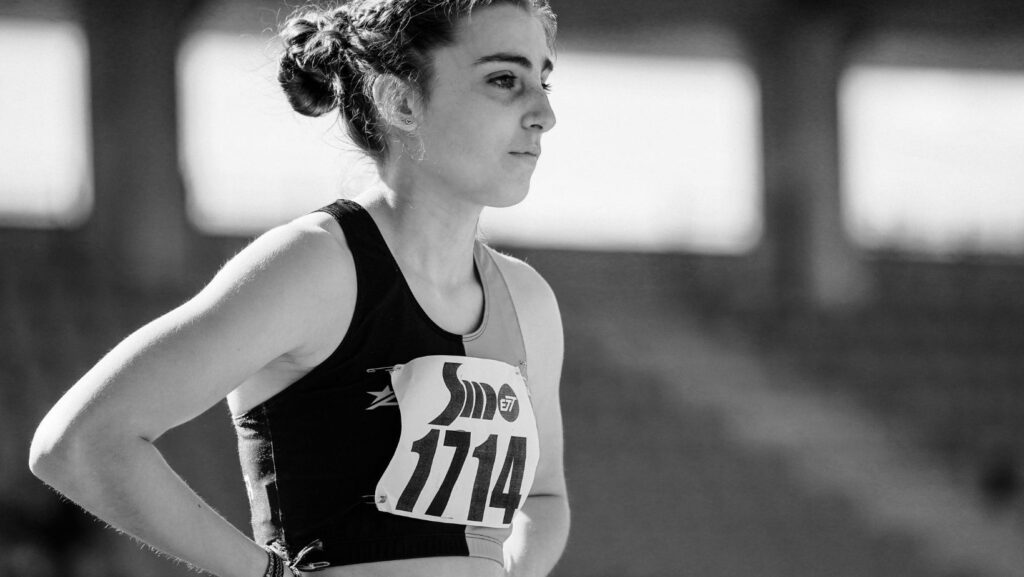
Female athletes face a challenge that is rarely discussed openly but affects nearly every training cycle, competition schedule, and recovery period: menstruation. Despite the growing body of research connecting the menstrual cycle to athletic performance, sports culture has historically treated periods as something to manage quietly rather than understand and prepare for. That is changing — but slowly.
For athletes at every level, from weekend runners to elite competitors, understanding the relationship between menstruation and performance is one of the most practical steps they can take toward training smarter and recovering better.
How Menstruation Affects the Body During Training
The menstrual cycle is driven by fluctuating levels of oestrogen and progesterone, and those hormonal shifts have direct physical consequences that extend well beyond cramping and bloating. Research has shown that different phases of the cycle affect energy availability, strength output, injury risk, and even how the body responds to training loads.
During the follicular phase — the first half of the cycle leading up to ovulation — rising oestrogen levels tend to boost energy, improve mood, and support greater strength gains. Many athletes report feeling at their best during this window, making it an effective time for high-intensity training and personal bests.
In the luteal phase that follows ovulation, rising progesterone shifts the body into a different mode. Core temperature increases, endurance can feel harder, sleep quality may drop, and the body tends to favour fat as a fuel source over carbohydrates. This is also the phase most associated with PMS symptoms — fatigue, irritability, bloating, and breast tenderness — that make training feel significantly more difficult.
During menstruation itself, cramping caused by prostaglandins can range from mild discomfort to genuinely debilitating pain. Iron losses through blood can contribute to fatigue, particularly in athletes who are already operating near the edge of their nutritional intake.
Common Struggles Reported by Female Athletes
The physical symptoms of menstruation interact with the demands of sport in ways that vary by discipline but are consistently underreported. Common struggles include:
Cramping and pain during training. Prostaglandin-driven contractions can make running, jumping, or high-impact activity acutely uncomfortable. Athletes who train or compete on the first two days of their period often describe having to push through pain that would sideline them in any other context.
Energy fluctuations. The drop in energy that accompanies the late luteal phase and the start of menstruation can make interval sessions and strength work feel disproportionately hard. Athletes who do not account for this variability may interpret the difficulty as fitness regression rather than a normal hormonal response.
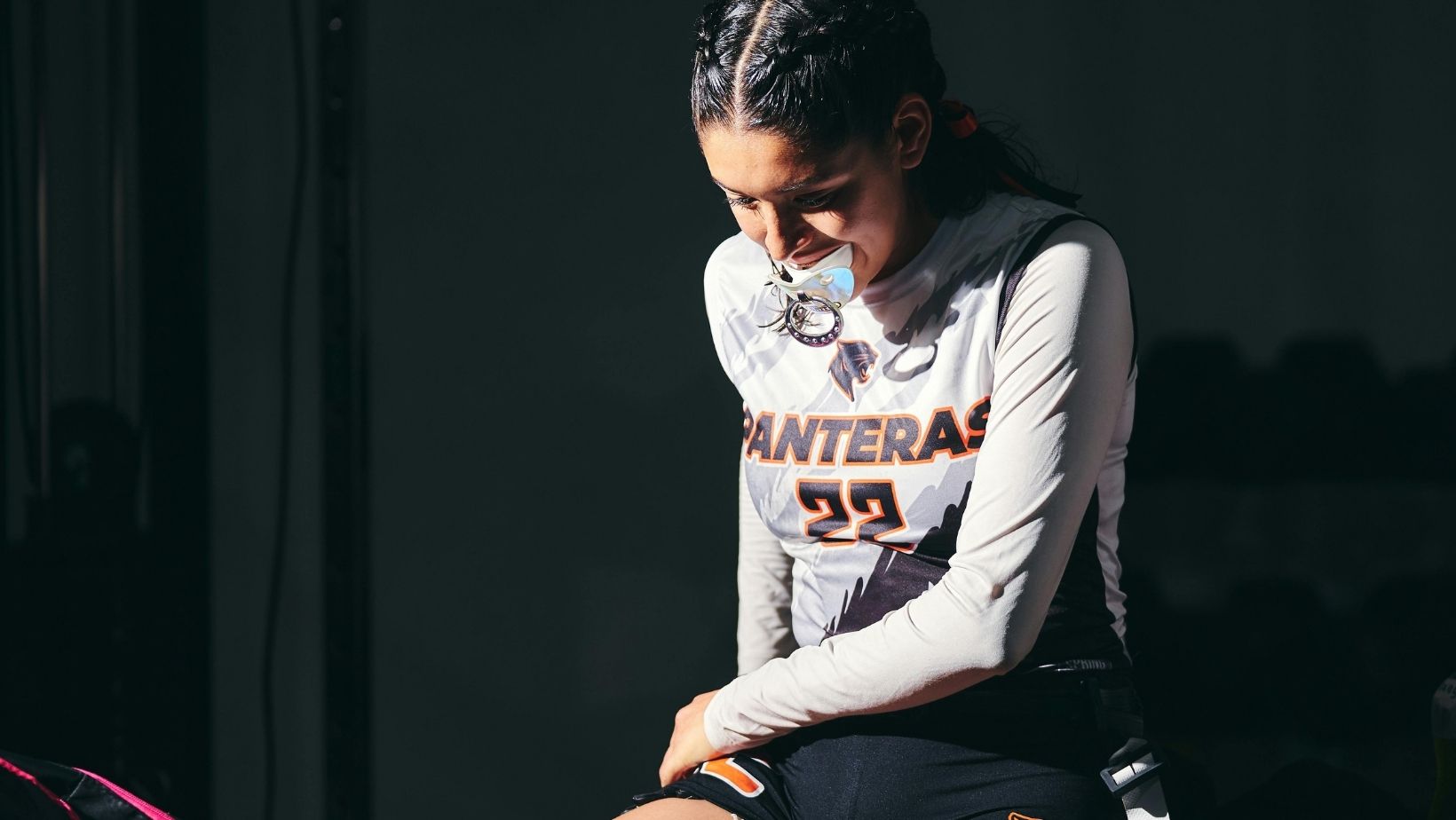
Gastrointestinal symptoms. Bloating, nausea, and loose stools — driven by the same prostaglandins that cause cramping — are particularly disruptive for endurance athletes whose fuelling strategy during long events is already carefully managed.
Psychological impact. PMS-related mood changes, anxiety, and reduced confidence in the days before menstruation can affect an athlete’s willingness to train hard, take risks, or compete without self-doubt. These psychological effects are real and physiologically driven, not a matter of mental weakness.
Practical management during training and competition. For athletes in sports requiring specific kit, tight-fitting clothing, or extended periods without bathroom access, finding reliable and comfortable period protection is not a trivial concern. It directly affects whether an athlete can focus on performance or is distracted by worry about leaks or discomfort.
Strategies for Managing Menstruation as an Athlete
The good news is that menstrual cycle awareness has moved from the margins of sports science into mainstream training practice, and practical strategies for managing its effects are increasingly well-evidenced.
Cycle syncing training loads. Adjusting training intensity to align with hormonal phases — prioritising high-intensity work and strength training during the follicular phase and scheduling recovery sessions during the late luteal phase — can reduce the friction between hormonal reality and training demands. This is not about doing less; it is about doing the right things at the right times.
Nutritional adjustments. During menstruation, increasing iron-rich food intake alongside vitamin C to support absorption can help offset blood-related iron losses. Carbohydrate intake may need to increase in the luteal phase when the body has a higher resting metabolic rate. Magnesium supplementation has shown some evidence for reducing cramp severity.
Anti-inflammatory support. Non-steroidal anti-inflammatory drugs such as ibuprofen, taken preventatively from the start of menstruation rather than reactively, can significantly reduce prostaglandin activity and the cramping it causes.
Consistency is the key to athletic performance — no matter what level you’re at — consistency is crucial to achieving success. For female athletes, that consistency also means having reliable period care that keeps up with an active lifestyle. Reusable period products from Saalt — including period underwear, discs, and soft cups — are designed to move with the body, offering secure, comfortable protection during workouts without the waste and discomfort of traditional disposables.
Heat therapy for recovery. Heat applied to the lower abdomen remains one of the most consistently effective non-pharmaceutical approaches to reducing cramp severity. For athletes managing recovery between sessions during menstruation, this is an accessible and low-cost tool.
Breaking the Silence in Sport
Perhaps the most important shift happening in women’s sport is the normalisation of conversations about menstruation. Coaches who understand cycle-based variation in performance can adjust expectations, structure recovery periods more intelligently, and avoid misinterpreting a difficult training day as a motivational failure.
Athletes who feel safe discussing their cycles with coaches and teammates benefit from better-informed support and are less likely to train through pain unnecessarily or push into injury during physiologically vulnerable phases. The reluctance to discuss menstruation in sporting contexts has cost female athletes enormously in terms of unsupported training, inappropriate competition scheduling, and the quiet normalisation of avoidable suffering.
Understanding the menstrual cycle as a performance variable — like sleep, nutrition, or training load — rather than a limitation is a shift in framing that has practical consequences. Female athletes who adopt this perspective do not just manage their periods more effectively. They train smarter, compete more confidently, and take better care of their bodies over the long arc of an athletic career.