
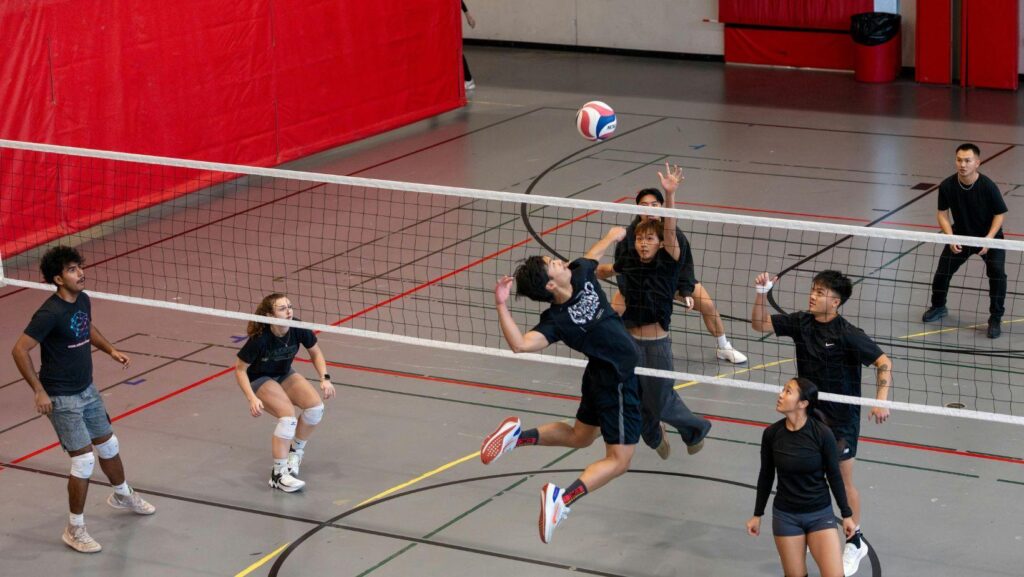
A strong volleyball program builds something that outlasts any single season: a shared identity players carry with them long after they’ve aged out of the roster.
The best coaches will tell you a winning volleyball culture is not an accident. It gets built the same way a good offense does, with intention, repetition, and buy-in from everyone involved.
Talent gets a team into the gym. Culture is what keeps them showing up early, covering for each other on a bad night, and playing loose in a tiebreaker set. That is really the heart of the team identity vs talent conversation coaches have every preseason.
Below, let’s walk through what actually builds that identity, and why so many programs treat it as seriously as any drill on the practice plan.
Why Does Culture Matter More Than Most Coaches Admit?
Ask any coach what separates two evenly matched teams in a five-set match, and talent rarely comes up first. What comes up is trust, and how a group communicates under pressure.
Programs that skip the culture-building work tend to run into the same problems once the season gets hard:
- Players stop talking to each other on the court the moment a set starts slipping away.
- New players take a full season to feel like they belong, instead of a few weeks.
- Seniors leave and take institutional knowledge with them, so the program restarts from zero every few years.
None of that means those teams lack skill. It just means skill alone does not hold a group together when the scoreboard turns against them.
What Actually Builds a Volleyball Program’s Identity?
The strongest programs treat identity as a full season of small, repeated choices rather than one big kickoff speech. Four things tend to show up again and again:
- Shared rituals: A pregame huddle chant, a specific warm-up sequence, or a tradition tied to senior night gives players something to rally around that has nothing to do with the final score.
- Consistent language: Coaches who repeat the same phrases for effort, communication, and accountability give players a shorthand they can use with each other mid-rally.
- Visual identity: Programs that invest in cohesive volleyball uniforms often see that sense of unity carry over into how players communicate on the court, since looking like a team is a small but real step toward playing like one.
- Alumni presence: Programs that keep former players connected, through scrimmages, banners, or simple check-ins, give current athletes a sense that they are joining something bigger than one roster.
Put these together, and you get the full picture of what separates a **team with identity** from a group of good athletes who happen to share a schedule.
Does Visual Identity Really Change How a Team Plays?
It sounds minor next to serving percentage or block efficiency, but coaches who have run both under-funded and well-outfitted programs will say it is not minor at all.
Walking into a gym in matching gear, warm-ups, and bags sends a quiet signal before the first serve: this group takes itself seriously, and expects to be taken seriously in return. Players notice it in themselves too. It is harder to play loose and confident in mismatched practice shirts than it is in something that says, clearly, who you are and who you play for.
That is one reason equipment decisions get more attention from serious programs than outsiders might expect. A jersey is not just a jersey once forty players are wearing the same one across a tournament weekend.
How Do Programs Keep Identity Alive Through Roster Turnover?
Every program loses its best players eventually. Graduation is undefeated. The programs that stay strong year after year have usually figured out how to hand identity down rather than rebuild it from scratch each fall.
A few habits show up consistently in programs that manage this well:
- Pairing incoming freshmen with upperclassmen mentors before the season even starts.
- Keeping traditions attached to the program rather than to any one graduating class.
- Documenting the “why” behind rituals, so new coaches and captains understand the point instead of just going through the motions.
Programs that treat culture as something to protect, not just something that happens to exist, are the ones still standing strong a decade later while their rivals reset every few seasons.
Can a Small Club Program Build This Without a Big Budget?
Yes, and this is where a lot of programs sell themselves short.
Culture does not require a large budget. It requires consistency. A free pregame ritual costs nothing. A shared vocabulary for communication costs nothing. Even visual identity does not have to mean an expensive overhaul, since most programs build it gradually, replacing warm-ups one season and practice gear the next, until the full look comes together over a couple of years.
What actually costs a program is the opposite: letting identity slide because it feels secondary to skill work. That is a choice, not a budget problem, and it is the one many mid-size programs get wrong.
The Bottom Line
Talent will always matter in volleyball. But talent alone does not explain why some programs feel different to play for, or why alumni still show up to watch games a decade after they graduated.
That difference comes from culture: the rituals, the language, the visual identity, and the deliberate work of passing all of it down to the next group of players. Programs that treat this as seriously as their offense tend to be the ones still standing strong when the season gets hard.
So if you are building or rebuilding a program’s identity, start small. Pick one ritual, one shared phrase, or one piece of gear everyone wears the same way, and let it grow from there.