
Every Winter Olympics follows a familiar rhythm. Early mornings, long nights, and storylines that emerge quickly as medals change hands and favorites stumble. For fans drawn to the competitive and analytical side of sports, the Games offer a condensed schedule of fast-moving events where outcomes can swing in seconds.
Certain winter sports consistently stand out in this environment, combining pace, structure, and uncertainty in ways that hold attention from start to finish. As the Milano Cortina Winter Olympics approach, these disciplines again separate themselves for the intensity they bring, not only on the screen, but in how closely fans track performances, odds, and momentum throughout the Games.
Ice Hockey’s Fast Pace and Tournament Drama
Ice hockey remains the centerpiece of Winter Olympic attention, particularly for audiences familiar with professional leagues. The Olympic format, however, changes the dynamic. Short tournaments, unfamiliar line combinations, and national pride introduce variables that don’t exist during a regular season.
Games often hinge on brief stretches of play. A penalty kill, a power-play goal, or a hot goalie can redefine expectations almost instantly. That volatility keeps fans locked in, especially during elimination rounds where there’s no opportunity to recover from a slow start.
As the tournament unfolds, many viewers follow not only the scoreboard but the broader competitive landscape, which teams are surging, which matchups feel evenly balanced, and where momentum is shifting.
For fans who track those details closely, exploring ways to bet on the Olympic games often becomes part of the overall viewing experience, alongside monitoring standings and upcoming games.
Alpine Skiing and the Thrill of All-or-Nothing Runs
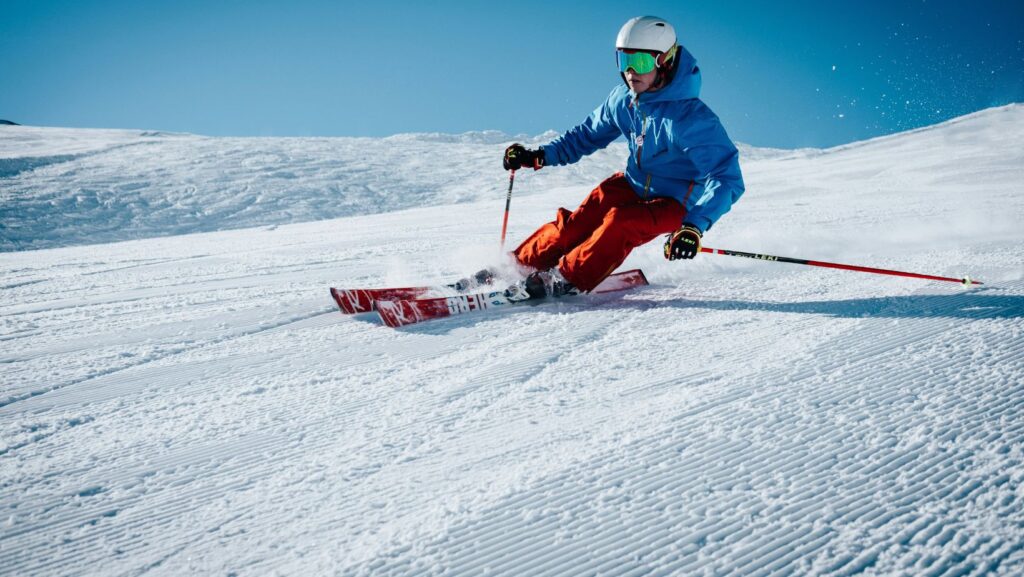
Alpine skiing delivers a very different kind of excitement. Spread across multiple disciplines and days, these events often reward fans who plan ahead using the official Olympic schedule to follow medal runs as start times and conditions shift.
There are no direct head-to-head battles, yet the tension can feel even sharper. Athletes push themselves down unforgiving courses, fully aware that a single mistake can end their medal hopes. That all-or-nothing pressure turns each run into a decisive moment.
From a betting perspective, this structure creates clarity and urgency. Results are decided by time alone, often separated by hundredths of a second. Weather conditions, course setup, and start order all influence outcomes, making even elite skiers vulnerable on any given run.
Since events are resolved quickly, alpine skiing offers a steady cadence of decisive moments throughout the Games. Fans don’t wait long to see whether expectations hold or collapse, which keeps attention high from the first racer to the last.
Biathlon’s Unique Blend of Skill and Uncertainty
Biathlon might be the most unpredictable sport on the Winter Olympic program. The combination of grueling cross-country skiing and precise rifle shooting creates constant tension, as dominance in one discipline doesn’t guarantee success overall.
A missed target can undo minutes of hard-earned advantage. Conversely, a calm shooting performance can propel an athlete up the leaderboard despite slower skiing. These swings make biathlon races compelling to watch and difficult to project with confidence.
For fans following betting dynamics, biathlon is especially exciting because race expectations can change with every stage. Leads feel fragile, and outcomes frequently remain undecided until the final shooting stage, rewarding patience and close attention.
Short Track Speed Skating and the Chaos Factor
Short track speed skating thrives on unpredictability. Races often unfold in tight packs, where positioning, timing, and split-second decisions matter as much as raw speed. Contact is frequent, and disqualifications can change the outcome even after the finish line is crossed.
For bettors, this uncertainty fuels engagement. Early leaders don’t always win, and favorites can be eliminated through no fault of their own. That sense of controlled chaos makes short track especially popular for live viewing, as fans react to developments in real time rather than relying solely on pre-race expectations.

Each heat feels self-contained, yet connected to a larger narrative as athletes advance or fall away, creating continuous stakes throughout a single session. That constant sense of risk is what keeps fans watching closely until the final lap is complete.
Snowboarding and Freestyle Events Bring Style Into the Spotlight
Snowboarding events introduce subjectivity into the Olympic betting landscape. In halfpipe, slopestyle, and big air, judges evaluate difficulty, execution, and style, adding another layer of complexity to outcomes.
Athletes often adjust their strategy based on earlier scores, choosing whether to attempt higher-risk tricks or play it safe. That decision-making process creates natural suspense, as one daring run can completely reshuffle the standings.
The visual spectacle draws in casual viewers, but the underlying scoring dynamics keep more analytical fans engaged until the final score is posted. Small scoring margins and judging decisions often turn late runs into defining moments.
How Structure and Scheduling Shape Betting Engagement
Across Winter Olympic sports, betting interest grows where formats create frequent, high-impact moments.
Why structure matters for engagement:
- Team tournaments like ice hockey build momentum over multiple days, allowing narratives and expectations to evolve as medal rounds approach,
- Individual events such as alpine skiing and biathlon resolve quickly, creating repeated, decisive moments that keep attention moving from one result to the next,
- High-variance sports like short track speed skating and freestyle snowboarding add late uncertainty, keeping outcomes in question until the finish.
Many fans complement live viewing with added context and performance trends. Resources like FanDuel Research offer a concise way to follow patterns beyond the scoreboard as the Games unfold.
The Sports That Shape the Olympic Experience
The Milano Cortina Winter Olympics promise another tightly packed schedule filled with moments that reward close attention across venues, disciplines, and time. Ice hockey will anchor the tournament narrative, while alpine skiing, biathlon, speed skating, and snowboarding supply daily drama.
For fans who enjoy the betting side of the Games, the most exciting sports remain those where preparation meets uncertainty. When outcomes hinge on seconds, precision, or a single bold decision, the Winter Olympics feel at their most electric and that’s what keeps viewers coming back event after event.