
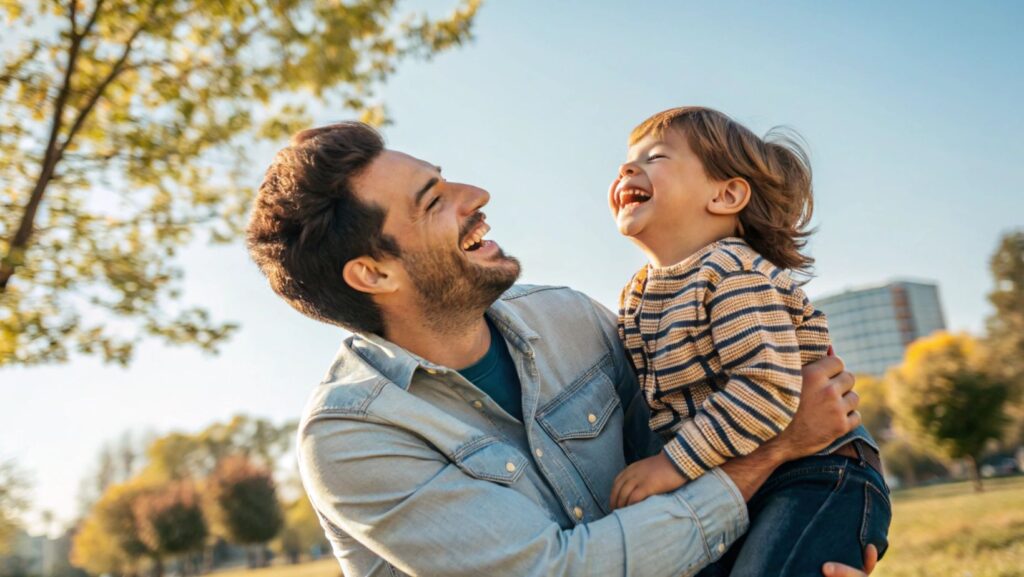
In many families, sports follow a familiar pattern: kids play, parents watch. From the sidelines, adults cheer, clap, and offer encouragement—but rarely join in. What if the experience didn’t start that way? What if parents and kids stood on the same starting line, learning new skills together, making mistakes together, and celebrating progress side by side?
Learning a sport as a family is about more than fitness. It’s about shared effort, mutual respect, and discovering what it feels like to be beginners together. When parents step into the learning process with their kids, sports become less about performance and more about connection.
Why Learning Together Matters
When children see parents trying something new, struggling, and improving over time, it sends a powerful message: learning never stops. Kids often assume adults “already know everything.” Watching a parent wobble on a board, miss a shot, or need practice normalizes effort and patience.
This shared journey removes pressure. Kids don’t feel compared to others, and parents aren’t stuck playing the expert. Everyone starts fresh. That sense of equality builds trust, confidence, and a genuine sense of teamwork—qualities that extend well beyond sports.
Sports That Naturally Level the Playing Field
Some sports are especially suited for families because they don’t rely heavily on age, strength, or prior experience. These activities reward consistency, coordination, and focus rather than speed or power.
Swimming, for example, allows parents and kids to work on technique at their own pace. Whether it’s mastering breathing or improving strokes, everyone can set personal goals while sharing the same pool space.
Tennis or badminton are also excellent choices. Rallying together encourages communication, timing, and friendly competition. Parents and kids can practice basic swings and footwork together without feeling mismatched.
Martial arts provide structure and progression that work well for mixed ages. Learning forms, balance, and discipline side by side creates a shared routine and a strong sense of respect.
The Quiet Power of Precision Sports
Not all family sports have to be fast-paced or loud. Precision-based activities reward calmness, focus, and repetition—qualities that often suit both children and adults equally.
Sports like archery are a great example. The emphasis isn’t on physical dominance but on posture, breath control, and consistency. Parents and kids can practice the same techniques, learn safety rules together, and track improvement over time. It’s a sport that naturally encourages patience and mindfulness, making it a meaningful shared experience rather than a competitive one.
Balance, Coordination, and Shared Courage
Some sports ask families to step out of their comfort zones together. Activities that challenge balance or coordination often feel intimidating at first—but that’s exactly what makes them powerful bonding tools.
Skateboarding is one such sport. When parents and kids learn together—whether through casual practice or guidance from a skateboard school—the fear of falling becomes a shared experience. Progress feels earned, and small wins matter. Kids see their parents push past hesitation, while parents gain a new appreciation for their child’s resilience and determination.
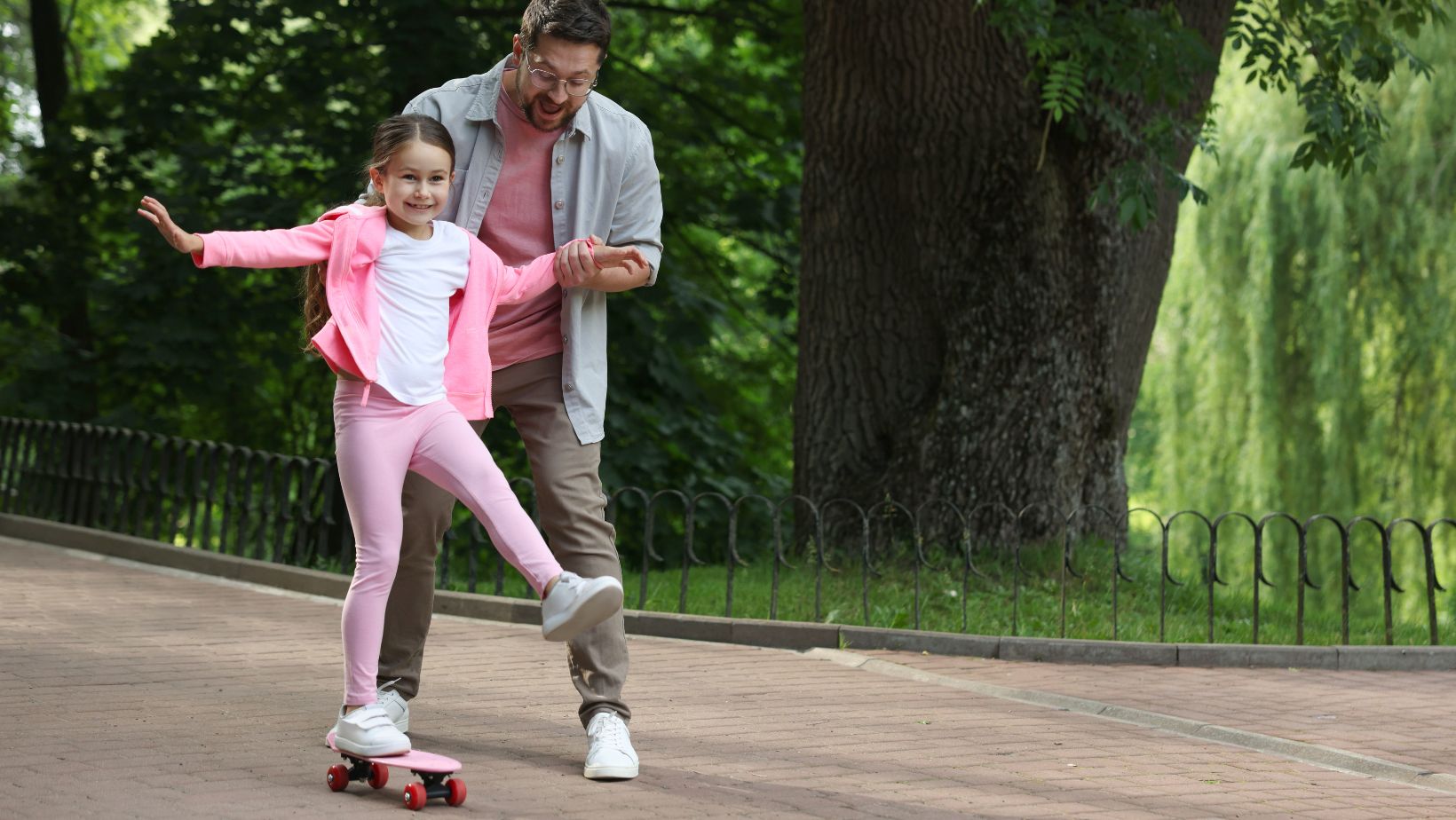
Starting together removes the pressure of “keeping up.” Everyone learns fundamentals at the same pace, making the process collaborative instead of comparative.
Outdoor Sports That Feel Like Play
Many families discover that outdoor sports are the easiest way to learn together. These activities often feel more like play than practice, making them especially inviting for beginners.
Cycling is a classic example. Parents and kids can explore new routes, work on endurance naturally, and turn practice into adventure. There’s no strict skill threshold—just steady improvement and shared discovery.
Hiking and trail-based activities also allow families to move together while adapting to different ability levels. Learning navigation, pacing, and terrain awareness becomes a group effort, strengthening communication and problem-solving skills.
Creating a Safe Learning Environment at Home
Learning together works best when the focus stays on effort, not results. Families don’t need to track scores or milestones aggressively. Instead, the goal should be consistency and enjoyment.
Set aside regular time for practice, but keep expectations flexible. Some days will feel effortless; others will feel frustrating. That’s part of learning. When parents acknowledge their own struggles openly, kids feel more comfortable expressing theirs.
It’s also important to let kids take the lead occasionally. If a child discovers a new technique or improves faster, celebrating that moment reinforces confidence and mutual respect.
Beyond the Sport: What Kids Really Learn
While the physical benefits of shared sports are obvious, the emotional impact often runs deeper. Kids learn that growth takes time. Parents learn to listen more and instruct less. The relationship shifts from authority-based to partnership-based, especially during practice sessions.
These shared experiences create memories rooted in effort, laughter, and persistence—not just trophies or wins. Over time, families often find that sports become a language of connection, a reliable way to reset after busy days or stressful weeks.
Starting Today, Together
Families don’t need elite facilities or expensive equipment to begin. The most important requirement is willingness—the willingness to try, fail, and learn as a team. Starting on the same line means accepting uncertainty and embracing growth together.
When parents stop standing on the sidelines and step into the game, sports transform into something richer. They become shared stories, shared challenges, and shared pride. And those lessons last far longer than any season.