
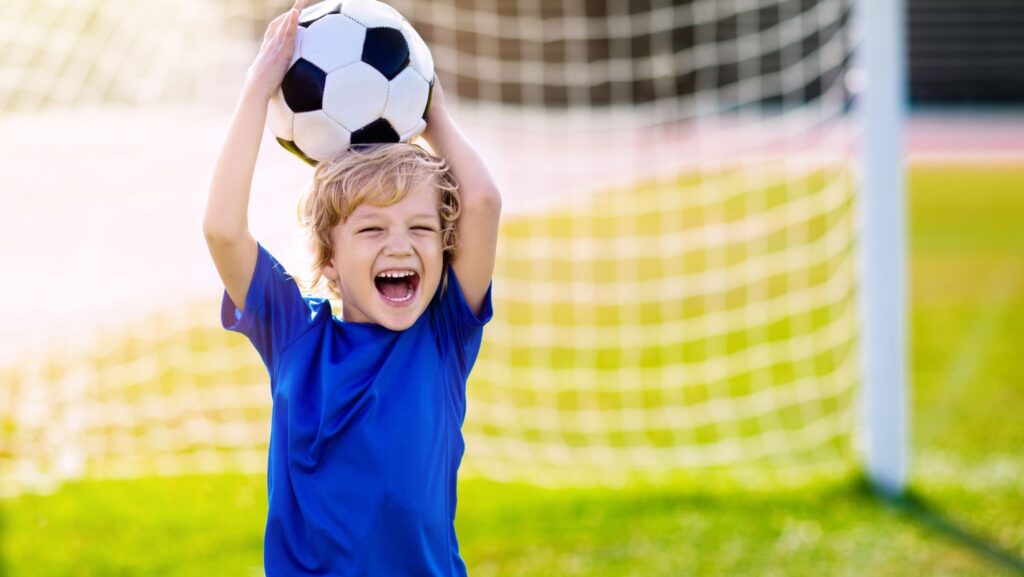
Every child deserves the chance to move, play, and feel confident in their own body. For kids of all abilities—including those with physical, developmental, sensory, or cognitive differences—sports can be more than just physical activity. They can be a source of joy, self-expression, routine, and confidence-building. When sports are approached with flexibility and understanding, they create an environment where kids feel capable rather than limited.
The key lies in choosing sports that can be adapted to different needs, comfort levels, and learning styles. These activities focus less on competition and more on participation, personal progress, and enjoyment. Below, we explore how sports help children of all abilities stay active and confident, along with examples of activities that are especially supportive and inclusive.
Why Sports Matter for Kids of All Abilities
Sports provide structure, routine, and a healthy outlet for energy—something many children benefit from, regardless of ability level. For kids with special needs, physical activities can also support emotional regulation, focus, and social interaction. More importantly, sports offer a safe space to try, fail, learn, and succeed at their own pace.
Confidence often grows when children realize they can do something independently or master a new skill, no matter how small. Inclusive sports environments focus on effort rather than outcomes, helping kids feel proud of their progress instead of pressured by comparison.
Individual Sports: Building Confidence at a Personal Pace
Not every child thrives in a fast-paced team environment. Individual sports allow kids to move at their own speed, reducing stress while still promoting physical engagement.
Activities like track-style movement games, cycling, or non-competitive martial arts emphasize personal growth. These sports allow children to repeat movements, set achievable goals, and celebrate progress without feeling rushed.
Another activity that fits well into this category is archery. With its focus on calmness, posture, and controlled movement, archery lessons can be especially appealing to kids who prefer structured, quiet activities. The sport encourages focus and patience, and success is measured individually, making it a confidence-boosting experience when taught in a supportive setting.
Water-Based Activities: Gentle, Supportive, and Empowering
Water activities are often a favorite for children of all abilities due to the natural support water provides. The buoyancy reduces pressure on joints and muscles, making movement feel easier and less intimidating.
Swimming allows kids to build strength, coordination, and body awareness while also learning an essential life skill. Many families find that well-designed swimming programs offer adaptable instruction styles, allowing children to feel safe and encouraged rather than overwhelmed. The sensory experience of water can also be calming for kids who struggle with overstimulation.
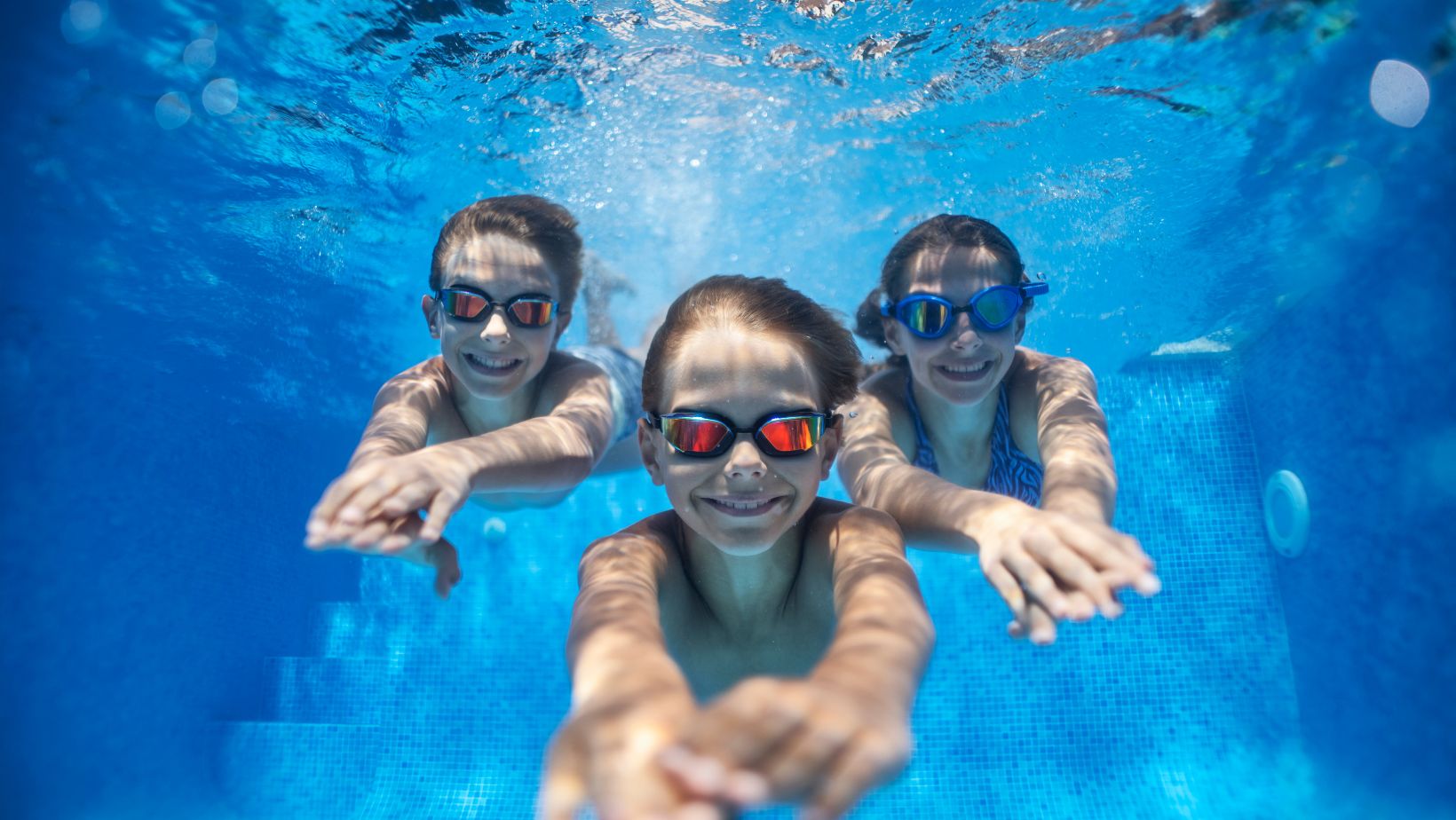
Success in the pool often comes quickly, which can be incredibly empowering. Even small achievements—floating independently or completing a lap—can significantly boost a child’s confidence.
Team Sports with Flexible Rules
Team sports don’t have to be rigid or overly competitive to be effective. When adapted thoughtfully, they can promote cooperation, communication, and social connection.
Modified versions of soccer, basketball, or baseball allow kids to participate without pressure. Smaller teams, simplified rules, and extra guidance help children feel included and valued. These environments encourage teamwork and shared success rather than focusing solely on winning.
For many kids, being part of a team—wearing a jersey, practicing together, and celebrating effort—can be just as meaningful as the physical activity itself.
Movement-Based Activities That Encourage Expression
Some children connect best with sports that feel more like creative movement than structured athletics. Activities such as dance, yoga, and rhythmic gymnastics allow kids to express themselves while improving balance, coordination, and body awareness.
These activities are especially helpful for children who benefit from predictable routines paired with freedom of movement. They also provide opportunities for self-expression without the pressure of competition, helping kids build confidence in their own unique style and abilities.
Outdoor and Nature-Based Sports
Outdoor sports offer a relaxed and stimulating environment that can be especially beneficial for kids who struggle in traditional indoor settings. Hiking, nature walks, or simple obstacle courses encourage movement while allowing children to engage with their surroundings.
Being outdoors often reduces stress and creates opportunities for sensory exploration at a comfortable pace. These activities are adaptable, low-pressure, and ideal for families who want to encourage physical activity without rigid structure.
Creating a Positive Sports Experience
The success of any sport for kids of all abilities depends largely on the environment created by adults. Coaches, instructors, and parents play a critical role in shaping how children experience physical activity.
Encouragement, patience, and realistic expectations make a world of difference. Celebrating effort rather than perfection helps kids feel safe trying new things. Allowing breaks, offering choices, and adapting rules ensures that every child feels respected and capable.
When sports are framed as something fun and supportive rather than demanding, children are more likely to stay engaged and develop a lifelong appreciation for movement.
Confidence Through Consistency and Choice
Confidence doesn’t appear overnight. It grows through consistent participation, small wins, and positive reinforcement. Giving kids choices in the activities they try empowers them to take ownership of their interests and abilities.
Some children may enjoy structured routines, while others prefer flexible play. Both approaches are valid. The goal is not to fit kids into a specific sport, but to find sports that fit the child.
Sports have the power to transform how kids see themselves. For children of all abilities, the right activities provide more than physical benefits—they create moments of pride, connection, and self-belief.
Whether it’s through calm, focused activities like archery lessons, supportive water-based experiences through swimming programs, or adaptable team sports that emphasize inclusion, the right sport can help every child stay active and confident in their own way.
With understanding, flexibility, and encouragement, sports become a place where kids don’t feel defined by limitations—but inspired by what they can do.