
Emerging sports are changing fast.
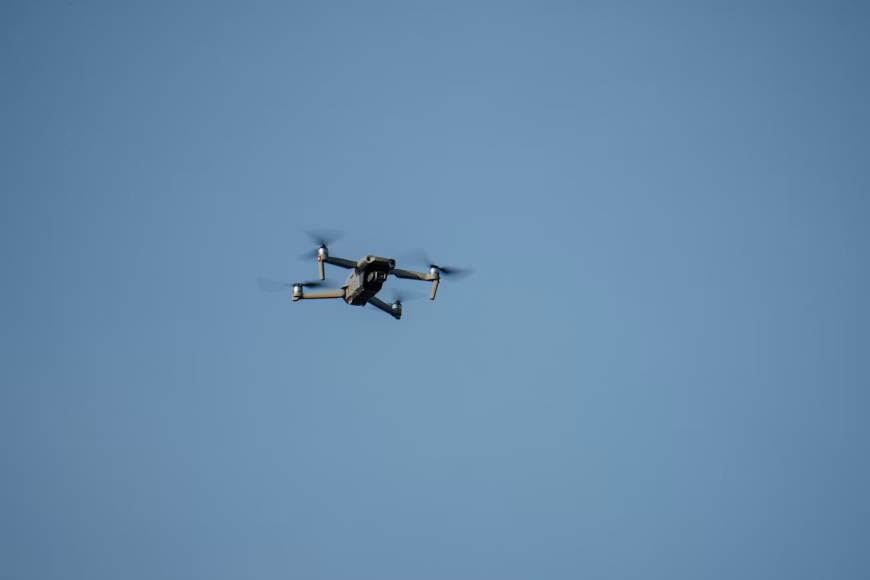
From drone racing to powerchair football, bubble soccer to spikeball, these new sports are taking off by storm. And they all have one thing in common… They need cameras in the sky.
Here’s the problem:
Helicopters and cable cams are cost-prohibitive for most upstart leagues. That’s why drones have become the standard for coverage.
But not just any drone will do.
What you’ll discover:
- Why Emerging Sports Need Drones
- The Shift Toward Trusted Drone Technology
- 5x Ways Drones Are Powering Emerging Sports
- What To Look For In A Sports Drone
Why Emerging Sports Need Drones
Let’s get one thing straight…
Emerging sports simply can’t compete with the budgets of the NFL or Premier League. They can’t justify a $1 million broadcast rig. They need a tool that’s affordable, portable and works.
Drones tick all three boxes.
Properly setting up a drone allows fans to see angles they could only get from a movie. For example, overhead shots of a drone racing course or sweeping shots of an obstacle course race.
This is important because:
- Fans want immersive content
- Sponsors want premium footage
- Leagues want to look professional
And with the sports drone market expected to hit USD 10.23 billion by 2033, drones are here to stay in how sports are captured.
The takeaway? If you run an emerging sport, drones aren’t optional. They’re essential.
The Shift Toward Trusted Drone Technology
Something big has changed over the last 12 months.
Predominantly, drone productions in sports used drone manufacturers overseas. The drones were inexpensive, readily available, and functional. However, newly passed US laws flipped the script.
Thanks to the new regulations, leagues, broadcasters and stadiums are being forced to look at NDAA-compliant drones for their high-resolution aerial imaging needs. NDAA-compliant drones are those built domestically (US or allied country) and contain no components from the previously blocked foreign suppliers. So how does this impact the world of sports? Stadiums and federally-funded facilities must use compliant hardware in order to legally fly on site.
And it’s not just a small rule change…
On December 22, 2025, the grace period under the American Drone Security Act expired, barring purchase of drones made in China for nearly all federally funded projects. This means that public universities, government-owned stadiums and many municipal venues cannot use banned drones.
The result? Emerging sports are turning to trusted drone makers who:
- Meet NDAA standards
- Use secure data pipelines
- Offer broadcast-quality imaging
- Can operate at strict venues
5x Ways Drones Are Powering Emerging Sports
Now to the fun part…
Here are 5x ways drones are changing the game for emerging sports.
Cinematic Live Broadcasts
This is the most obvious one.
Growing sports have to look good on television and online. A stationary camera won’t do for a high-speed sport like drone racing or parkour. Drones allow producers to follow the action overhead, and capture wide establishing shots.
The best part? People watching at home won’t be able to tell the difference from the helicopter shot worth $500,000.
(Well… most of the time.)
Player & Athlete Analysis
Drones aren’t just for broadcasts. They’re changing how coaches analyse performance.
Example: Imagine rugby 7s or women’s flag football. Coaches can fly a drone over a training session and have a clear top-down view of player movement and tactics. This view is nearly impossible from the sidelines.
Think about it:
When you have a bird’s-eye view on every player, you see things you would never see from the ground. Bad spacing, lackadaisical runs, sloppy formation… it all becomes crystal clear.
Coaches use this data to:
- Fix bad habits
- Plan better strategies
- Review game footage in detail
Event Safety & Crowd Monitoring
Events are getting bigger.
Crowds are getting bigger and bigger. More fans, more chaos, more risk. Drones are the eyes in the sky for organizers. Crowd flow, entrance gates, and emergency exits are all under control. If trouble arises, the operator notices the issue in a flash.
This is a game changer for up and coming sports. The vast majority of new leagues do not have large security budgets. Drones allow them to get more bang for their buck.
Fan Engagement & Social Content
Here’s something most leagues overlook…
Drone footage can be shareable on social media. A 15 second clip of a victory from above can gain millions of views on TikTok and Instagram. Exposure like that is priceless for up-and-coming sports. An AI video tool can cut that raw footage into platform-ready clips with captions in minutes.
Short, shareable drone clips help:
- Grow your fanbase
- Attract sponsors
- Drive ticket sales
Many leagues are now employing drone operators to help generate social content. This is one of the best investments a league can make.
Venue & Course Mapping
Last but not least… Drones are perfect for mapping courses before events.
Drones produce 3D venue maps, giving organisers the full picture for planning. This can be helpful for large, variable courses such as obstacle course racing, enduro mountain biking or adventure racing.
Course designers use drone maps to:
- Spot hazards
- Plan camera positions
- Design better routes
What To Look For In A Sports Drone
So you’re ready to add drones to your operation. What should you look for?
Don’t assume that all drones are created equal. Under the new regulations you will want to make an informed purchase decision. Here are the key things to consider.
Compliance First
Don’t even look at a drone that is not already in compliance with existing US regulations. Many destinations will simply not allow non-compliant hardware to fly. Avoid the frustration and purchase the compliant drone right from the start.
Broadcast-Quality Imaging
Image quality is king. Look for drones that shoot 4K or better with good low-light performance. Stabilisation is important too… You don’t want shaky footage during a crucial play.
Long Flight Time
Short flight times are frustrating. Consumer drones are limited to 20-30 minutes of flight time at best. For sports coverage you want the extra range to ensure you don’t miss live action while swapping batteries.
Easy To Operate
A pilot deserves a drone that performs well and is easy to operate. Poor, glitchy software is frustrating and causes lost time and shots. Stick with drones that have a reputation for working well.
Bonus Tip: Keep a backup drone ready. Things fail. Batteries die. Rotors break. A spare ensures your coverage continues.
Final Thoughts
Emerging sports and drone technology are a perfect match.
Drones give leagues an opportunity to go above their pay grade… Broadcast quality coverage, deeper analysis on athletes, safer events without the astronomical price tag. It’s about finding the right drone with the right hardware to fit today’s standards.
To quickly recap:
- Drones are essential for emerging sports
- Trusted, compliant hardware is the new standard
- Use drones for broadcasts, analysis, safety, content, and mapping
- Invest in quality gear that meets the rules
Do it right and your league will be poised for future success. Do it wrong and you’ll end up with equipment that’s illegal to use.
The choice is yours!